About Isopropanol 2 Propanol
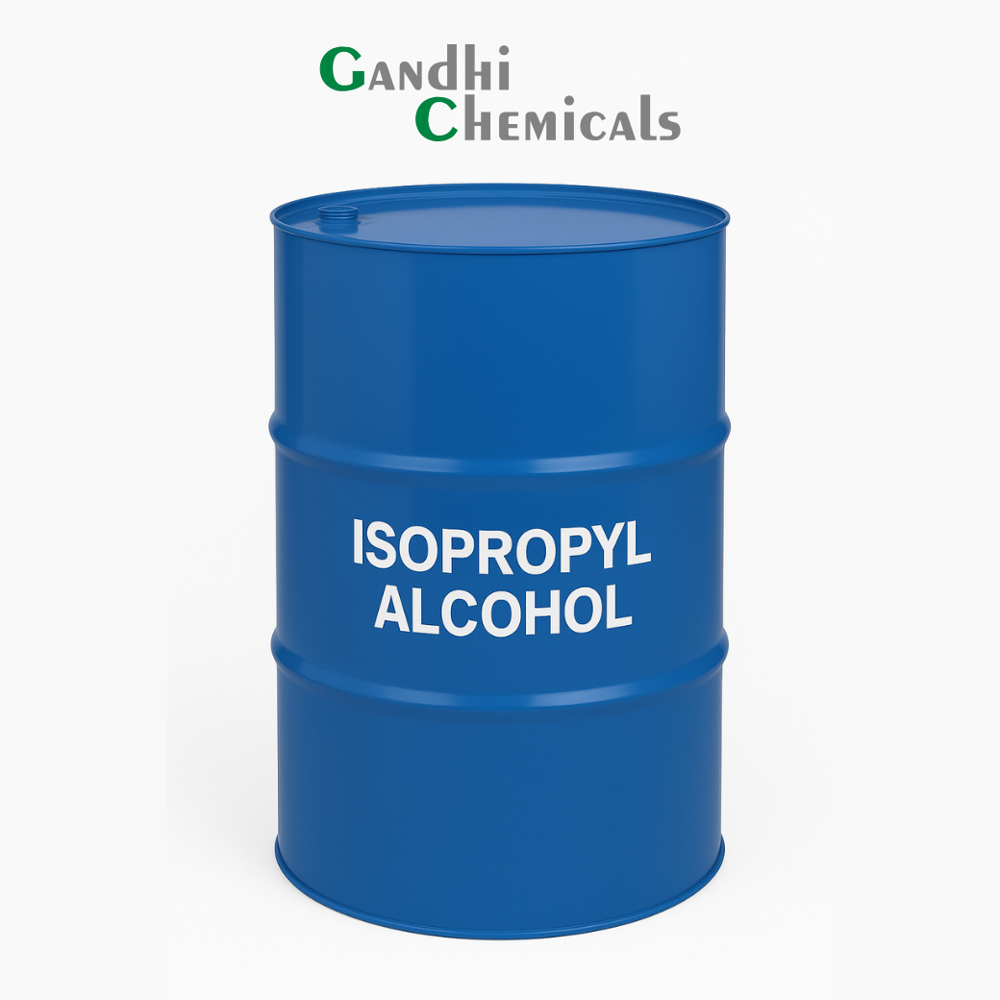
Isopropyl Alcohol (IPA)
For Certificate of Analysis (COA) & MSDS, kindly contact us.
Uses:
- Used in paint industry
- Used for making perfumes
- Used in pharmaceutical industry
- lacquer formulations, dye solutions, antifreezes, soaps, window cleaners
- Used for making sanitizers
- Major component in Industrial & household cleaners
Isopropyl alcohol (IUPAC name propan-2-ol; also called isopropyl, isopropanol, or 2-propanol) is a colorless, flammable chemical compound (chemical formula CH3CHOHCH3) with a strong odor.
Isopropyl alcohol, particularly in solutions between 60% and 90% alcohol with 10 40% purified water, is rapidly antimicrobial against bacteria, fungi, and viruses. Once alcohol concentrations drop below 50%, usefulness for disinfection drops sharply. Notably, higher concentrations of alcohol dont generate more desirable bactericidal, virucidal, or fungicidal properties. Alcohol-based versions typically contain some combination of isopropyl alcohol, ethanol (ethyl alcohol), or n-propanol, with versions containing 60% to 95% alcohol the most effective. Alcohol-based hand sanitizer works against a wide variety of microorganisms but not spores. Compounds such as glycerol may be added to prevent drying of the skin. Some versions contain fragrances; however, these are discouraged due to the risk of allergic reactions. Non-alcohol based versions typically contain benzalkonium chloride or triclosan; but are less effective than alcohol-based ones.
Isopropyl alcohol is effective against viruses such as FCV at 40% 60% concentrations. Ethanol however, is more effective at 70% 90% concentrations against FCV. In other cases, isopropyl alcohol is more effective than ethanol at lower percentage concentrations.
Health Hazards:
Vapors cause mild irritation of eyes and upper respiratory tract; high concentrations may be anesthetic. Liquid irritates eyes and may cause injury; harmless to skin; if ingested causes drunkenness and vomiting.
Fire Hazards:
Highly flammable. Vapour/air mixtures are explosive. Risk of explosion on contact with strong oxidants.
First Aid:
EYES: First check the victim for contact lenses and remove if present. Flush victim's eyes with water or normal saline solution for 20 to 30 minutes while simultaneously calling a hospital or poison control center. Do not put any ointments, oils, or medication in the victim's eyes without specific instructions from a physician.
Versatile Industrial ApplicationsIsopropanol (>99% pure) is indispensable in the pharmaceutical, printing, and ink sectors, thanks to its exceptional solvency and rapid evaporation properties. It is commonly employed as a solvent in cosmetics and drugs, a cleaning agent in printing, and a component in liquid coatings, ensuring thorough mixing and application in specialized manufacturing.
Reliable Quality and LongevityWith greater than 99% purity and a recommended shelf life of three years, this grade of ISO PROPANOL guarantees consistent results for industrial users. Each batch is strictly monitored, making it suitable for demanding processes where chemical consistency and stability are crucial, such as formulation of antiseptics or denaturing ethanol.
FAQ's of Isopropanol 2 Propanol:
Q: How is Isopropanol (2 Propanol) typically used in pharmaceutical and printing industries?
A: Isopropanol serves primarily as a solvent for pharmaceuticals, cosmetics, and printing inks. Its high purity allows it to dissolve chemicals efficiently, aid in mixing solutions, and clean surfaces or equipment. In printing, it enhances ink flow and drying.
Q: What are the main benefits of using Isopropanol with over 99% purity?
A: Over 99% purity ensures minimal impurities, making the product ideal for sensitive applications such as antiseptics, drug manufacturing, and high-quality ink formulation. This purity reduces residues and ensures reliable performance across uses.
Q: When does Isopropanol (IPA) expire, and how should it be stored to maximize shelf life?
A: Isopropanol has a recommended shelf life of three years. To maintain its quality, it should be stored in a tightly sealed container, away from direct sunlight, heat, and ignition sources, in a cool, well-ventilated area.
Q: Where can I source Isopropanol (CAS No: 67-63-0) in India?
A: You can purchase Isopropanol from authorized distributors, importers, suppliers, and traders within India who specialize in industrial chemicals and meet regulatory standards for quality and safety.
Q: What is the process of using Isopropanol as a denaturant for ethanol?
A: Isopropanol is added to ethanol to render it undrinkable, commonly for use in laboratory and industrial settings. The exact ratio follows regional regulations, ensuring the ethanol cannot be consumed but remains functional for technical purposes.
Q: Can Isopropanol be used as a rubbing alcohol antiseptic, and what advantages does it provide?
A: Yes, when used as rubbing alcohol, its rapid evaporation and broad-spectrum antimicrobial activity make it effective for disinfecting skin and surfaces, as well as for first aid and household sanitation, provided user safety guidelines are followed.
 GST : 27AAEFG9697F1ZV

 Send Inquiry




 Send Inquiry

 Send Inquiry
 Send SMS
 English
 Spanish
 French
 German
 Italian
 Chinese (Simplified)
 Japanese
 Korean
 Arabic
 Portuguese